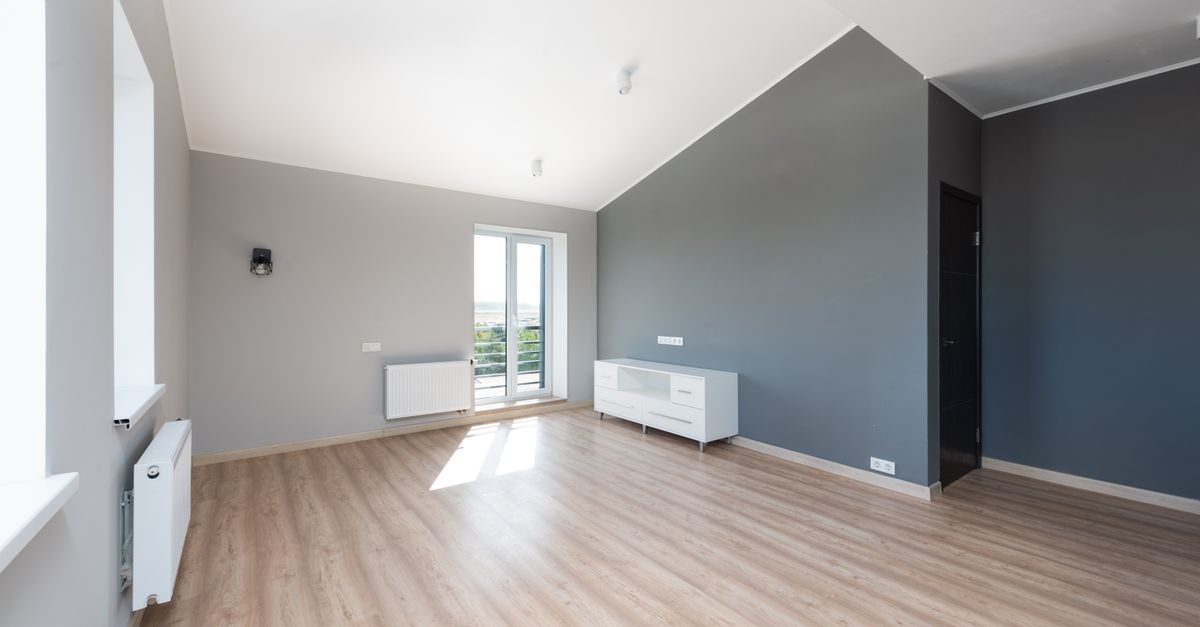
The cheapest prep with the best return is sweat equity: scrub the house top to bottom, haul out the clutter and the personal photos, roll a warm neutral over tired walls, and tidy the yard. Those four jobs cost mostly your weekends plus a few hundred dollars in paint and mulch, and buyers register them long before they notice a renovation you couldn't afford. Spend on clean and bright first. Everything else is optional.
I have walked into listings around the island where the bones were lovely and the only real problems were a salt-hazed window and a musty hall closet, both free to fix. The sellers were ready to price-drop. They needed a Saturday and a bucket instead.
Where should a tight budget go first?
Put your money on paint, cleaning supplies, and the yard, in that order. A gallon of decent interior paint runs about $40 to $60 and covers a small room. A deep clean costs only your time and a few bottles of cleaner. A yard cleanup needs a mower, a trimmer, and a few bags of mulch. None of that touches four figures, and all of it photographs well.
Paint is the highest-return dollar you will spend. Cover the scuffs, and cover any bold accent wall a buyer would otherwise have to imagine painting over. Touch up the trim and the baseboards while you have the brush out. Then clean the parts of the house you stopped seeing years ago: the grout, inside the oven, the baseboards, the top of the fridge. Buyers read a clean house as a maintained house, and they pay more for the ones they trust.
How do you beat the coastal musty smell and salt film?
Humidity and salt air leave two cheap marks that scare buyers more than they should: a musty smell indoors and a gray film on glass and siding. Open the house up, run a dehumidifier for a few days, wash the windows with vinegar and water, and pressure wash the shaded walls, the driveway, and the screen enclosure. A rented pressure washer is about $40 to $75 for the day and does the most visible work of anything on this list.
Salt spray hazes the windows on the river and ocean sides faster than people expect, and north-facing siding and shaded pavers grow a green-black mildew in our humidity. The pressure washer brings concrete back to the color it actually is. On a screen porch, a single torn panel reads as deferred maintenance, and a roll of screen plus a spline tool costs less than lunch. Don't mask the closed-up smell with plug-ins. Heavy fragrance reads as a cover-up. Clean and dry the source instead. While you are outside, look at the exterior light fixtures and the front door hardware. Salt pits and rusts them within a season or two, and a $15 can of spray paint or a $25 fixture erases years of wear.
What cheap fixes make the biggest first impression?
The front of the house and the entry. The exterior is the photo that sells the showing, and it is cheap to sharpen: mow and edge, lay fresh pine straw, paint the front door, swap a corroded house number and porch light, and set one healthy potted plant by the door. Pine straw here costs a few dollars a bale, it suits the live oaks, and it gives the beds a finished line for almost nothing.
Trim the palmetto and overgrowth off the front walk so the path to the door is clear, then pressure wash that walk too. Inside the door, the cheap signals of an updated home are switch plates at a dollar or two each, new cabinet pulls in the kitchen, and brighter bulbs that all match color temperature. Here is the budget math in one place:
| Budget task | Rough cost | Why it pays |
|---|---|---|
| Interior paint, warm neutral | $40 to $60 a room | covers wear, lets buyers picture their things |
| Deep clean and declutter | your time | the house reads as cared for |
| Pressure wash exterior and drive | $40 to $75 rental/day | strips the mildew that signals neglect |
| Fresh pine straw or mulch | $3 to $6 a bale | a crisp, finished yard line |
| Switch plates and cabinet pulls | $1 to $20 each | a cheap "updated" cue |
| Front door paint and porch light | $30 to $80 | the first photo a buyer sees |
What should you not spend money on before selling?
Skip the big-ticket renovations. Don't remodel the kitchen, refinish the bathrooms, replace a roof that still has life, or pour money into elaborate landscaping before you list. Those rarely return what they cost, and the next owner may rip out your choices anyway. Fix what is broken and cheap, and leave the major calls to your pricing.
The line to hold is "cheap and noticeable." A dripping faucet, a running toilet, a sticky door, a cracked switch plate, a smoke detector chirping in the hall: those cost a few dollars each and quietly tell a buyer the house was neglected. A $9,000 quartz counter does not. Before you spend on anything large, have someone walk the house with a buyer's eye first. When we list a home, we will point at the two or three things actually costing you offers and tell you to leave the rest alone.
If you want the full, room-by-room version of all this, that lives in our preparing your house to sell checklist. And if the job feels like more than you can face right now, especially if you are downsizing or settling a family estate, start with the triage order in our piece on getting a house ready when you are overwhelmed.
The pattern holds across every budget sale I have watched work. Buyers pay for clean and bright, and they discount the musty and the dim. The first list you can fix for the price of a few weekends and one good trip to the hardware store.
Frequently asked questions
What sells a house the most?
Condition and price do most of the work. A clean, decluttered, well-lit home in good repair and listed at the right number sells faster than one with expensive upgrades and an optimistic price. On a budget, fresh neutral paint and curb appeal give you the most visible lift per dollar.
What not to fix before selling a house?
Skip big renovations that rarely return their cost: full kitchen or bathroom remodels, replacing a roof or appliances that still work, and elaborate landscaping. Fix the cheap, obvious problems instead, like dripping faucets, sticky doors, running toilets, and cracked switch plates.
What is the 3 3 3 rule in real estate?
There is no official 3-3-3 rule; agents use it informally as a decluttering rhythm before listing. One common version: clear anything off your counters you have not used in three days, store what you have not touched in three weeks, and donate what you have not needed in three months, so the home shows clean and roomy.
What is the least expensive way to sell my house?
The cheapest way to get a house sale-ready is sweat equity: deep cleaning, decluttering, a few gallons of neutral paint, and a yard cleanup, which together cost a few hundred dollars and your weekends. Pricing the home correctly from day one saves far more than any pre-listing renovation.