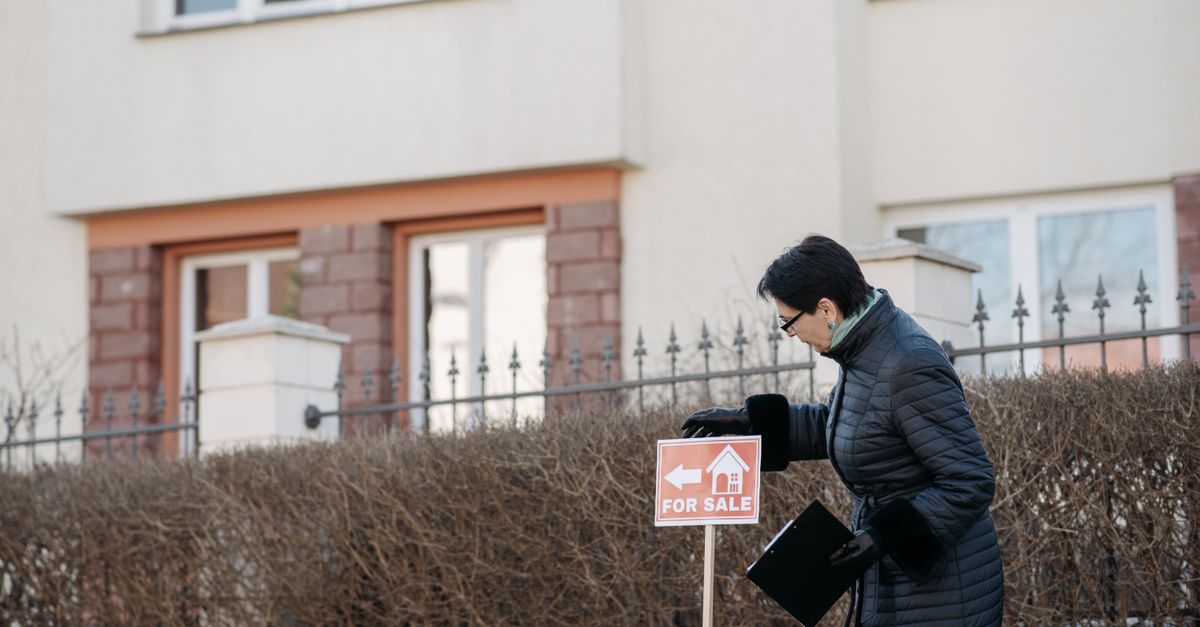
To sell your home by owner, price it off real comparable sales instead of your asking-price hopes, get professional photos and a listing where buyers actually search, write honest disclosures, and plan to run the showings, negotiation, and closing paperwork yourself. The work a listing agent usually absorbs does not vanish when you go FSBO. It just lands on your kitchen table.
I have watched plenty of for-sale-by-owner deals close on this island. Some sellers net more than they would have after commission. Others spend four months learning why agents charge what they charge, then list with one anyway. The difference is rarely effort. It is whether they treated the sale like a job with steps or like a sign in the yard and a prayer.
Is selling your home by owner actually worth it?
Selling by owner is worth it when you have time, an honest read on your home's value, and the patience to answer the phone for strangers. You keep the listing-side commission, which on a mid-island home is real money. In exchange you take on pricing, marketing, showings, disclosure liability, and the back half of closing. If your home shows well and sits in an active price band, FSBO can pencil out. If it is unusual or priced from memory, the math gets thin fast.
When you go solo, here is what actually lands on you:
- Pricing the home and defending that price to skeptical buyers
- Photos, the written listing, and getting it in front of online searchers
- Scheduling and running showings, including for buyers who fly in for one weekend
- Disclosures, and the legal liability that rides along with them
- Negotiating offers and coordinating inspection, appraisal, title, and closing
The honest test is whether you can be objective about your own house. The kitchen you remodeled in 2014 is not new to a buyer who has seen six others since Saturday morning.
How do you price a home with no agent?
Price from closed sales of similar homes in the last 90 days within roughly a mile, adjusting for square footage, lot, condition, and water access. Pull those sales from the Nassau County property appraiser's records, then walk a few competing listings in person so you are comparing the real thing, not a thumbnail. An ocean block, a marsh view, and a downtown historic lot each move value in ways an automated estimate flattens into one wrong number.
Do not anchor to a 2022 peak or to what your neighbor swears they got. Buyers and their lenders price off today's closings, and an appraisal will too. Overpricing quietly burns your best window. Your first two or three weekends on the market draw the most serious buyers, and a high number sends them to the next listing before they ever schedule a showing.
What disclosures and paperwork do you actually need?
Florida requires you to disclose known material defects that affect value and are not readily observable, on a seller's disclosure form. Most FSBO sales also need a written purchase contract, a lead-based-paint disclosure for anything built before 1978, an HOA or condo rider where one applies, and a title company or real estate attorney to clear title and run closing. Skipping disclosure is how a clean sale turns into a lawsuit after the keys change hands.
On the coast, the items that matter are specific. Past flooding, the age of the roof and any insurance claims on it, prior wind or water damage, and permits for that screened porch all belong on paper. Expect buyers' insurers to order a four-point and a wind mitigation inspection on older homes, and know that a twenty-five-year-old roof can stall financing late in the deal. If you are in flood zone AE rather than X, an elevation certificate in hand answers a question every buyer will ask.
Get a title company involved early. They handle the lien search, the settlement statement, and the closing table, which is most of the part people dread.
The paperwork in plain terms:
- A Florida seller's property disclosure covering known material defects
- A written purchase-and-sale contract on the standard state forms
- A lead-based-paint disclosure for any home built before 1978
- An HOA or condo association rider where one applies
- A title company or attorney to clear title and close
How do you market a for-sale-by-owner listing?
The listings that sell get professional photos, a flat-fee MLS entry so the home shows up on Zillow, Realtor.com, and agent searches, a clear written description, a yard sign, and easy scheduling. Most buyers here, including the out-of-state second-home crowd, start online and decide in seconds from the photos. Phone shots of a dim living room cost you more than a photographer charges.
The flat-fee MLS listing is the single most useful move a FSBO seller can make, because the MLS is still where buyers' agents look first. Bright exterior and twilight shots earn their keep on coastal homes, and flexible showing times matter when a buyer is only on the island for a Saturday and a Sunday. If the photo-and-MLS piece is the part you would rather hand off, that one step is worth paying for even on an otherwise solo sale, and it is where a brokerage like Salt Harbor Real Estate can help without taking the whole listing.
How do you handle offers, buyer agents, and closing?
When an offer comes in, you negotiate price, closing date, repairs, and who pays what, then move into inspection, appraisal, title, and funding. Decide up front whether you will pay a buyer's agent commission. Since the 2024 industry changes, that commission is negotiated separately and no longer assumed, but many FSBO buyers still arrive with an agent who expects to be paid, so build your position into your number before offers land.
Watch for investor offers. A flipper running the common 70 percent rule will pay no more than 70 percent of your home's after-repair value minus the cost of repairs, which is how a lowball lands on a perfectly good house. Knowing the formula lets you counter without taking it personally. From there the title company coordinates the closing, the lender clears its conditions, and you sign. The yard sign is the easy part. The deal is everything that happens after it.
Frequently asked questions
Is selling your home by yourself a good idea?
It can be, if you have time, an honest read on your home's value, and you are comfortable handling showings, disclosures, and closing paperwork. You keep the listing-side commission but take on the pricing, marketing, and legal liability an agent normally carries. It works best for homes that show well and sit in an active price range.
How do I price a home I'm selling by owner?
Price from closed sales of similar homes in the last 90 days within about a mile, adjusting for size, lot, condition, and water access. Use the county property appraiser's sale records and walk competing listings in person. Do not anchor to an automated estimate; overpricing wastes the first two or three weekends, which draw your most serious buyers.
What decreases property value the most?
Deferred maintenance and big-ticket defects do the most damage: an aging roof, water intrusion or past flooding, foundation or settlement issues, and outdated electrical. On the coast, an old roof or unrepaired wind damage can also raise a buyer's insurance quote enough to threaten the deal, which hits your price as hard as the repair itself.
What is the 70% rule in house flipping?
The 70 percent rule says an investor should pay no more than 70 percent of a home's after-repair value minus the cost of repairs. If a flipper offers on your FSBO listing, that formula is often behind a low number, so it helps to know it is an investment calculation, not a reflection of what a retail buyer would pay.