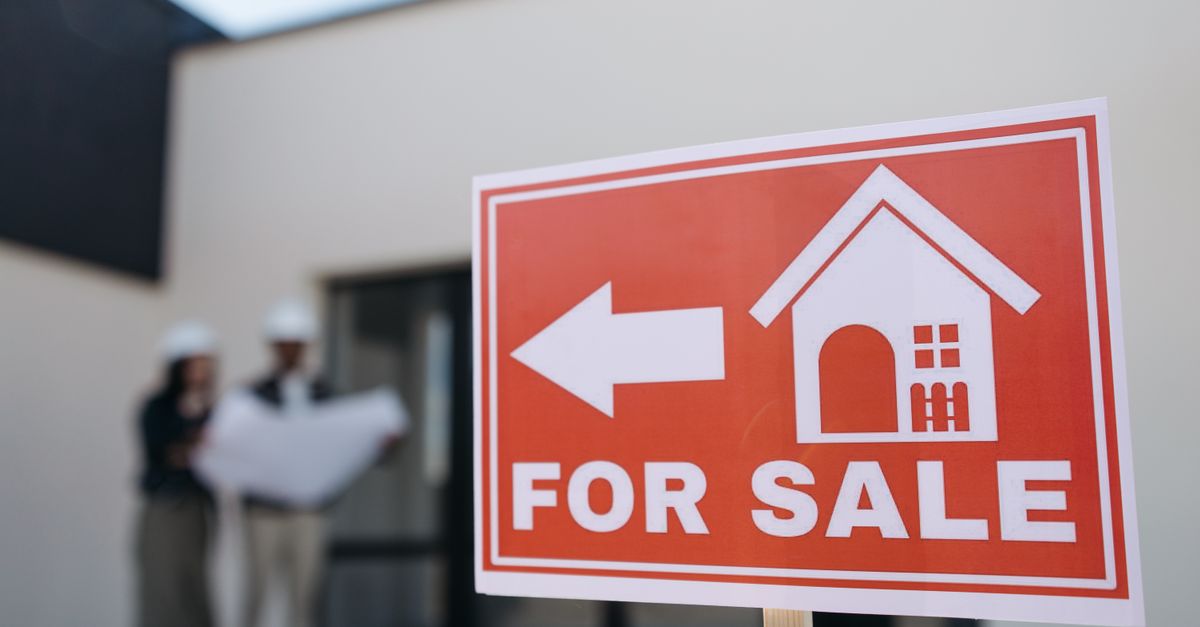
A house stops selling for one of a few fixable reasons: it is priced above what buyers will actually pay, its condition or insurability gives them second thoughts, or its marketing keeps the right buyer from ever finding it. Price is the most common culprit and the one sellers blame last. Almost everything else can be sorted out in a weekend or a phone call.
I've watched a listing a few blocks off the water sit through most of a slow season, then sell the week after the number came down. The house never changed. The only thing that did was the price, and suddenly the same buyers who had scrolled past it were writing offers.
Is your house priced too high?
Overpricing is the single most common reason a home won't sell. Buyers and their agents compare your house against everything else available within minutes, and a price that ignores recent sales reads as a seller who isn't serious. The listing sits, goes stale, and a stale listing draws lowball offers instead of strong ones. The fix is honest comparable sales, not hope.
A Zillow estimate is a starting guess, not an appraisal, and on Amelia Island it can miss badly. A renovated cottage in the historic district and a builder-grade house out toward Yulee can carry the same square footage and sell tens of thousands of dollars apart. Closed sales from the last few months on comparable streets tell the real story. Your home also gets the most attention in its first two weeks on the market, so the price you launch at matters more than any cut you make later.
What condition problems make a house harder to sell?
After price, condition is what stalls a sale. Buyers flinch at anything hinting the home wasn't looked after: a tired roof, an AC that grinds, soft spots underfoot, the stale smell of a house shut up for the summer. On the coast, salt and humidity speed all of it along, so a five-year-old light fixture here can look a decade old, pitted and weeping rust down the stucco.
The repairs that move a house are rarely the glamorous ones. Replace the corroded exterior hardware and hinges. Run the AC and a dehumidifier in a vacant home so mildew never blooms on the cooler north walls. Clear the oak pollen that yellows every porch by April. Walk in your own front door after a day away and trust your nose, because buyers will. When we list a home at Salt Harbor, the pre-listing walkthrough is mostly this kind of unglamorous fix, the stuff a buyer's inspector would flag in week three of the contract.
Can insurance problems stop a house from selling in Florida?
Yes, and it is a newer reason that catches sellers off guard. A home can be priced right and show beautifully and still lose its buyer at the insurance step. Many Florida insurers won't write a policy on a roof past about fifteen years, and a high flood-zone premium can blow up a buyer's monthly budget. Lenders won't close without bindable coverage, so insurability is now part of whether a house sells at all.
Here in Nassau County, low-lying lots near the marsh and the Intracoastal often sit in flood zones that require separate coverage and an elevation certificate. Older homes near downtown trigger a four-point inspection. Get ahead of it. Have your roof's age, any wind mitigation report, and hurricane-strap documentation ready before the first showing, because a wind mitigation inspection can lower a buyer's premium enough to keep the deal alive.
How much does weak marketing cost you?
Plenty, because most buyers tour your home on a screen long before the driveway. A house can be priced and maintained well and still stall if buyers never really see it: dark phone photos, or showing windows so narrow that an out-of-town buyer gives up. The first showing now happens online, and bright, honest photos are what earn the second one in person.
Access matters as much as images. A lot of buyers on the island are relocating or snowbirding and get exactly one trip to decide, so a hard-to-show home quietly drops off their list. Easy lockbox access and flexible showing hours beat another price cut. It is the cheapest part of selling to fix and the most often neglected.
Where should you look first?
If your house isn't selling, the pattern of interest usually points straight at the cause.
| What you're seeing | What it usually means |
|---|---|
| Lots of showings, no offers | Price is close, but condition or layout gives buyers pause |
| Few or no showings | Price is too high, or the photos aren't pulling anyone in |
| Offers that fall apart | Insurance, inspection, or appraisal surprises |
| Strong start, then silence | The listing went stale and needs a refresh or a price change |
Start with whichever row matches your week. Nine times out of ten the answer is sitting in plain sight, and it is cheaper to fix than you fear.
Frequently asked questions
What can prevent a house from being sold?
Beyond an unrealistic price, a sale can stall over title problems like liens or an unresolved estate, an unsatisfied mortgage larger than the offer, or an appraisal that comes in too low for the buyer's lender. In Florida, an uninsurable roof or steep flood-zone premiums increasingly stop otherwise-ready deals.
What makes a house harder to sell?
Overpricing, deferred maintenance, dark photos, restricted showing access, and strong odors all make a home harder to sell. So do fixed location factors a seller can't change, like a busy road or a flood zone. On the coast, salt and humidity speed up visible wear, so upkeep shows faster.
What is the 3-3-3 rule in real estate?
The 3-3-3 rule is an informal guideline, not an industry standard, so definitions vary. Agents most often use it as a review schedule: check your listing's performance at 3 days, 3 weeks, and 3 months. No showings by day three or no offers by week three almost always points to price.
At what point does a house get taken off the market?
A house comes off the market when it sells and closes, when the listing agreement expires unsold, or when the seller withdraws or cancels it. Sellers often pull a stale listing on purpose and relaunch it fresh at a new price, since the days-on-market count follows the listing.