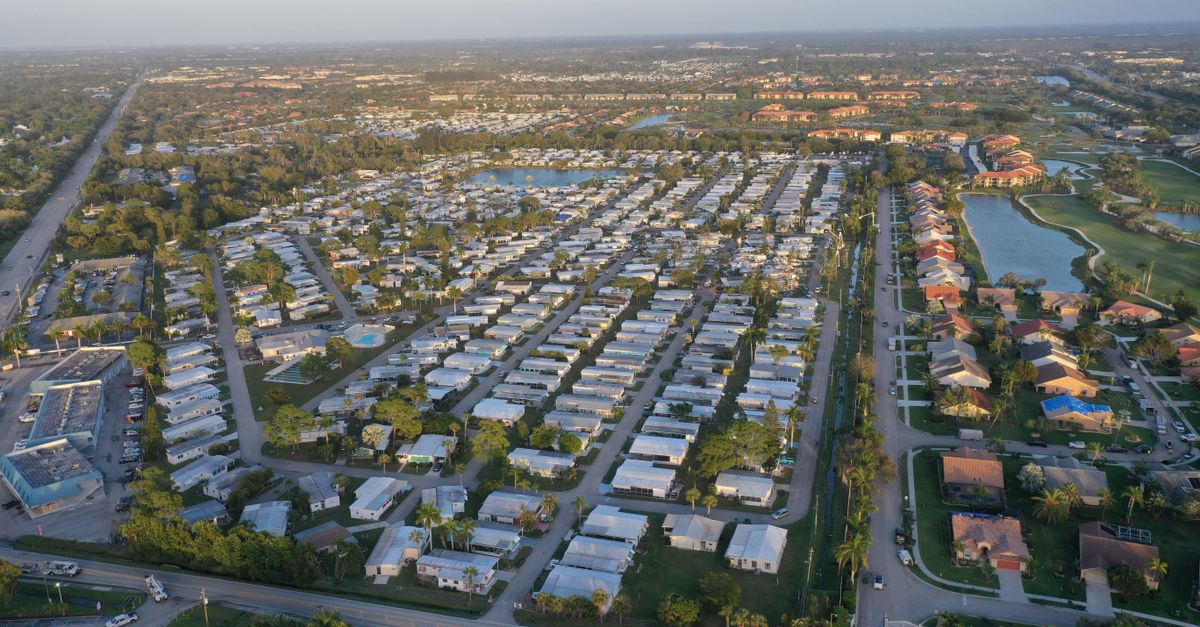
Amelia Island's planned communities sort into a few clear types. The large resort-residential ones on the island's south end, anchored by Amelia Island Plantation, now run by Omni. The boutique intracoastal development at Crane Island on the western edge. The gated golf community of Amelia National near the mainland bridge. And the master-planned community of Wildlight in Yulee, just across the marsh in Nassau County. They differ in scale, price, and setting, but they share a preservation-first habit that traces back to the Plantation's 1972 master plan.
If you are shopping the island by community rather than by street, that shared history matters more than the marketing. Charles Fraser drew the first plan here, and everything built since has either followed his density-and-preservation logic or defined itself against it. Here is what each place actually is, who built it, and what a buyer signs up for.
What is Amelia Island Plantation and who runs it now?
Amelia Island Plantation is the island's original planned resort community, on the south end. Today the Amelia Island Plantation Community Association covers 1,340 acres and contains 900 single-family homes and 1,200 condominium residences across several neighborhoods. The resort side, with the hotel, restaurants, golf, and racquet facilities, is operated by Omni, which took over the resort assets in 2012 after a bankruptcy auction.
The origin story explains the layout. According to the Amelia Island Museum of History, Charles E. Fraser of the Sea Pines Company bought roughly 3,000 acres at the island's south end in late 1970, about 2,000 uplands and 1,000 tidal marsh, for $4,650,000. The 1972 master plan, drawn by landscape architects Wallace, McHarg, Roberts, and Todd, set aside more than half of the upland acreage as natural preservation and held residential density to 1.6 units per acre, and those limits went into the deed covenants. That is why the Plantation still reads as forest and fairway rather than wall-to-wall rooftops.
The golf here is a big part of the draw. The Omni Amelia Island Resort anchors the community with 46 holes of championship golf, 23 Har-Tru clay tennis courts, and pickleball on a 1,350-acre property. The Pete Dye-designed Oak Marsh course opened in 1972; per Golf.com, it reopened in late 2024 after a $7.4 million renovation by Beau Welling Design that rebuilt all 18 greens and repositioned bunkers without changing Dye's routing. The Plantation's second course, Ocean Links, was co-designed by Bobby Weed and Pete Dye, a par-70, 6,108-yard layout with five oceanfront holes.
The Plantation also carries a formal environmental credential. In December 2020 it became the 12th community in the world to earn Audubon International's Certified Sustainable Community designation, a certification renewed through June 2027 in June 2024. As Audubon International's Kim Hill put it, the community "has proven to be a model for private communities." For a buyer, that is not a bumper sticker. It is a signal that the preservation rules have teeth and are unlikely to loosen.
What kind of community is Crane Island?
Crane Island is a 185-acre gated community on Amelia Island's western intracoastal edge in Fernandina Beach, with 113 luxury homesites, over 3,500 feet of Intracoastal Waterway frontage, and about 100 acres of preserved maritime forest, per the developer's own site. It faces the marsh and the river rather than the ocean, and it is built for custom homes in a Lowcountry style, with architects including Allison Ramsey and Historical Concepts. Featured homes on the Crane Island real estate page range from $2.95 million to $8.5 million.
The land has a long backstory. The Jax Daily Record reports the island stayed in the Broadbent family from 1886 until 2014, when developer Jack B. Healan Jr., a former president and CEO of the Amelia Island Company, and businessman Saad Wallan bought it for $10 million. Healan described the appeal to that paper in terms only Crane Island really offers here: "landing your plane and being on your boat in the Intracoastal Waterway within 30 minutes."
Crane Island is also a Southern Living Inspired Community, and its 2019 Southern Living Idea House sold in January 2020 for $3.55 million per the Jax Daily Record. The trade-off with a small preserved community like this is inventory. With 113 homesites total and about 100 acres left as forest, only a handful of lots or homes trade in any given year, so a buyer fixed on Crane Island needs patience rather than the pick of a dozen. That scarcity is also why owners tend to hold.
What is Amelia National Golf and Country Club?
Amelia National is a gated golf community in Fernandina Beach developed by ICI Homes, built around a Tom Fazio-designed 18-hole championship course, a French Provincial clubhouse, a resort pool, eight Har-Tru clay tennis courts, a fitness center, and a manned gate. It sits inside a Community Development District: the Amelia National CDD spans about 876.40 acres in Nassau County and was established in 2004 under Nassau County Ordinance No. 2004-01, pursuant to Florida Statutes Chapter 190.
The CDD is the practical detail buyers should read closely. A Community Development District is a local unit of government that finances and maintains community infrastructure, and it levies an assessment that typically shows up on the annual property tax bill, separate from any HOA dues. It is neither a hidden fee nor a red flag, but it is a real line item, and a good local agent will pull the current assessment for the specific lot before you write an offer.
The course itself was recently rebuilt. The Nassau County Chamber of Commerce reported that a $15 million renovation overseen by Fazio Design began in March 2025 and finished in November 2025. ICI Homes chief operating officer Tom McCall has framed the community around activity: "Amelia National truly offers something for all ages to enjoy without leaving the community."
What is Wildlight, and is it on Amelia Island?
Wildlight is a master-planned mixed-use community in Yulee, on the Nassau County mainland just west of Amelia Island, not on the island itself. It is developed by Raydient Places + Properties, a subsidiary of Rayonier, and covers 15,000 total acres. Per the Wildlight developer site, the plan includes more than 7,000 acres of preserved Florida nature and 50-plus miles of trails at buildout, with over 1,000 homes already completed in its Town District and 4,100 planned in the Garden District.
Wildlight matters to island shoppers because it offers newer construction and more price range within a short drive of Amelia Island's beaches and downtown. One of its components is age-qualified. Del Webb Wildlight, announced by PulteGroup, is planned for up to 660 single-family and villa homes with floor plans from 1,343 to 3,339 square feet and a 12,000-square-foot amenity center. Del Webb communities are 55-plus under federal housing law, a legal housing category defined by occupancy rules rather than by any preference about who lives there. If age-qualified rules are a factor either way in your search, that is a straightforward question to ask up front.
How do Amelia Island's planned communities compare?
Here is the short version, side by side, so you can see scale, setting, and who is behind each one before you fixate on a single gate.
| Community | Developer / operator | Size | Setting | Price signal |
|---|---|---|---|---|
| Amelia Island Plantation | Omni (resort); AIPCA (community) | 1,340 acres, 2,100 homes/condos | South-end ocean and golf interior | Broad, resale-driven |
| Crane Island | Healan / Wallan | 185 acres, 113 homesites | Western intracoastal marsh | $2.95M to $8.5M featured |
| Amelia National | ICI Homes | 876-acre CDD | Inland golf, near the bridge | New construction plus resale |
| Wildlight | Raydient / Rayonier | 15,000 acres | Yulee mainland | Newer, wider range |
The pattern across all four is preservation as a selling point, not an afterthought. That shows up beyond the gates too. The North Florida Land Trust has protected close to 7,000 acres of salt marsh, dunes, and maritime hammock on and around the island, and launched its Amelia Forever campaign in 2019 to keep buying vulnerable land at market rates for permanent conservation. As the trust's Pam Hart framed the ethic, "We borrow it from our children." For a buyer, protected land next door is durable value, because the view and the quiet are less likely to be built over.
The honest catch with any of these communities is the coastal bill that comes with the address: insurance, salt and humidity on the house, storm season from June into the fall, and, in a CDD, that annual assessment. None of it is a reason to avoid the island. It is the reason to buy with someone who reads the covenants, the CDD assessment, and the flood picture for the exact lot before you sign, rather than after. That homework is where local guidance earns its keep, and it is the work I sit down and do with Salt Harbor Real Estate clients before an offer goes in.
If you are still deciding which of these fits you, go see them at different hours and in different seasons, then compare the fee structure and the setting against how you actually want to live. The community that looks best in a brochure is not always the one that suits your week.
FAQ
Are Wildlight and Del Webb Wildlight on Amelia Island? No. Wildlight is in Yulee on the Nassau County mainland, west of Amelia Island, developed by Raydient/Rayonier on 15,000 total acres. It is a short drive from the island's beaches and downtown, which is part of its appeal, but it is not on the island itself.
Does Amelia National have a CDD fee? Yes. Amelia National sits within the Amelia National Community Development District, which covers about 876.40 acres and was established in 2004 under Nassau County Ordinance No. 2004-01. A CDD levies an assessment that generally appears on the annual tax bill, separate from HOA dues, so ask for the current figure on the specific lot.
How many homesites are on Crane Island, and what do they cost? Crane Island has 113 luxury homesites on 185 acres with about 100 acres of preserved maritime forest, per the developer. Featured homes on Crane Island's real estate page range from $2.95 million to $8.5 million, and the community favors custom Lowcountry-style construction.
Who runs Amelia Island Plantation now? The resort assets, including the hotel, golf, and racquet facilities, are operated by Omni, which took them over in 2012 after a bankruptcy auction. The residential side is governed by the Amelia Island Plantation Community Association, which covers 1,340 acres with 900 single-family homes and 1,200 condominiums.
What golf is at Amelia Island Plantation? The Omni property has 46 holes of championship golf. The Pete Dye-designed Oak Marsh opened in 1972 and reopened in late 2024 after a $7.4 million renovation by Beau Welling Design. The second course, Ocean Links, was co-designed by Bobby Weed and Pete Dye as a par-70, 6,108-yard layout with five oceanfront holes.
Ready to compare these communities against your budget and the life you want on the island? Reach out to Salt Harbor Real Estate and we will walk the lot lines, fees, and covenants together before you commit.
Frequently asked questions
Are Wildlight and Del Webb Wildlight on Amelia Island?
No. Wildlight is in Yulee on the Nassau County mainland, west of Amelia Island, developed by Raydient/Rayonier on 15,000 total acres. It is a short drive from the island's beaches and downtown, which is part of its appeal, but it is not on the island itself.
Does Amelia National have a CDD fee?
Yes. Amelia National sits within the Amelia National Community Development District, which covers about 876.40 acres and was established in 2004 under Nassau County Ordinance No. 2004-01. A CDD levies an assessment that generally appears on the annual tax bill, separate from HOA dues, so ask for the current figure on the specific lot.
How many homesites are on Crane Island, and what do they cost?
Crane Island has 113 luxury homesites on 185 acres with about 100 acres of preserved maritime forest, per the developer. Featured homes on Crane Island's real estate page range from $2.95 million to $8.5 million, and the community favors custom Lowcountry-style construction.
Who runs Amelia Island Plantation now?
The resort assets, including the hotel, golf, and racquet facilities, are operated by Omni, which took them over in 2012 after a bankruptcy auction. The residential side is governed by the Amelia Island Plantation Community Association, which covers 1,340 acres with 900 single-family homes and 1,200 condominiums.
What golf is at Amelia Island Plantation?
The Omni property has 46 holes of championship golf. The Pete Dye-designed Oak Marsh opened in 1972 and reopened in late 2024 after a $7.4 million renovation by Beau Welling Design. The second course, Ocean Links, was co-designed by Bobby Weed and Pete Dye as a par-70, 6,108-yard layout with five oceanfront holes.