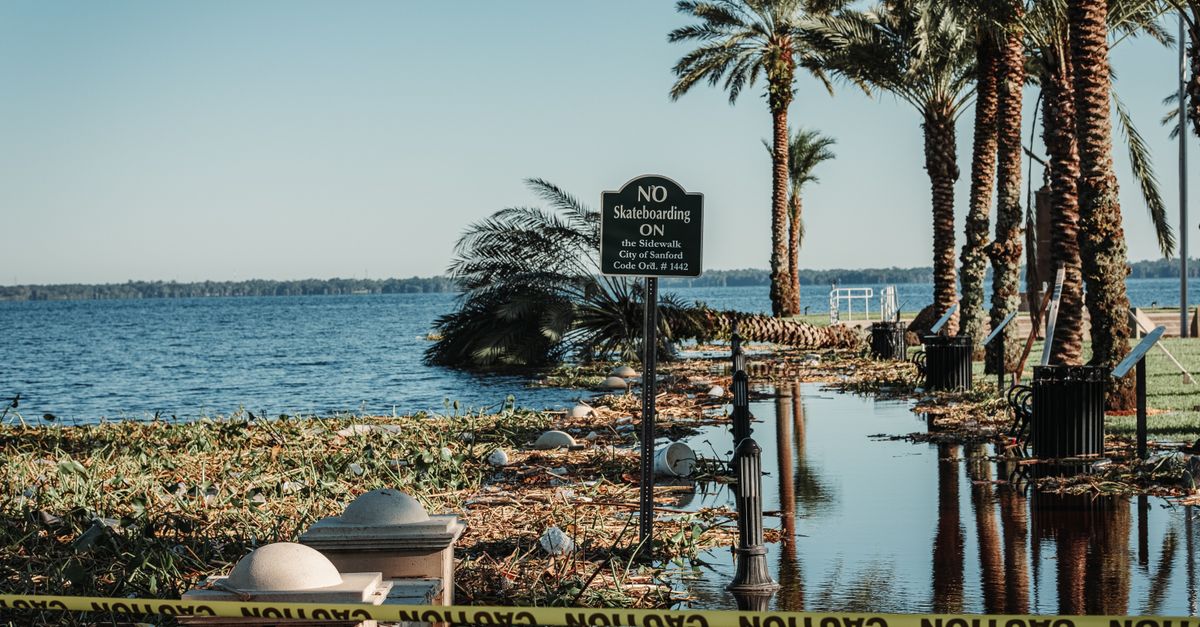
Flood Zone X is FEMA's designation for land with the lowest mapped flood risk, the ground that sits outside the 1% annual chance floodplain most people call the 100-year floodplain. Because Zone X falls outside that high-risk line, a federally backed mortgage will not require you to carry flood insurance there, and it is the most common flood zone in the country. If your flood determination comes back "Zone X," the map is telling you your baseline flood odds are low.
Now, the part most buyers skip. I have sat at closings on Amelia Island where someone reads "Zone X" on the determination letter, exhales, and quietly decides flooding is somebody else's problem now. On a barrier island wrapped in salt marsh on one side and the Atlantic on the other, that is the exact place to slow down. Zone X is good news. It also is not a force field, and the gap between those two ideas is what the rest of this covers.
Is Flood Zone X bad?
No. Zone X is the lowest-risk category FEMA maps, which is why lenders treat it as the easy answer. A home in Zone X sits outside the Special Flood Hazard Area, so flood insurance is optional instead of mandatory, and a policy there usually costs a fraction of what the high-risk zones run. On the map itself, Zone X is the quiet, unshaded ground.
What it does not mean is zero water. A flood map describes probability over a long horizon, not a promise about next August. That 1% annual chance defining the high-risk line works out to roughly a one-in-four chance of flooding across a 30-year mortgage, and Zone X simply means your parcel is mapped below that threshold. Homes outside the high-risk zones still take on water and still file claims every year. Plenty of Amelia Island owners learned that when Hurricane Matthew pushed surge up the river in October 2016, and the water did not check anyone's zone first.
What's the difference between shaded and unshaded Zone X?
Zone X comes in two flavors, and the shading on the map is the tell. Unshaded (white) Zone X is minimal-risk land outside even the 500-year floodplain. Shaded Zone X is moderate-risk land inside the 0.2% annual chance band, the area between the 100-year and 500-year lines, or low spots where shallow flooding under a foot deep is possible. Same letter, two different conversations.
| Zone X type | What the map shows | Annual flood chance | Flood insurance |
|---|---|---|---|
| Unshaded X | Minimal hazard, beyond the 500-year floodplain | Under 0.2% | Optional, lowest cost |
| Shaded X | Moderate hazard, inside the 0.2% (500-year) band | Between 0.2% and 1% | Optional, often still bought |
Find out which one you have. Shaded X near a tidal creek behaves very differently in a wet hurricane season than unshaded X up on one of the island's interior ridges. On a refinance or a new purchase, the shaded-versus-unshaded line can be the difference between a lender shrugging and a lender asking questions, so it belongs in your file before you fall for the house. Around Egans Creek and the marsh edges, that shading earns its keep.
Is Zone X in Florida a flood zone?
Yes. Zone X is a real FEMA flood zone, used on every flood map in Florida, and it is simply the low-risk one. Florida holds more National Flood Insurance Program policies than any other state, and a lot of that ground is mapped Zone X. The label is national; the stakes are local.
In Nassau County the Zone X parcels tend to be the higher, more inland ones, the lots on Amelia Island's central ridge and much of the mainland around Yulee, while the marsh fringes, the Atlantic dune line, and the low streets near the Amelia River carry the A and V zones. Two homes a quarter mile apart can land in different zones because elevation here turns over in a foot or two. Sandy soil drains a downpour fast, but the low blocks of Old Town sit close enough to the river that surge, not rain, is the real test. Even on a clear fall day, the highest king tides push the river and the tidal creeks over their banks into a few low streets, the kind of nuisance flooding that has nothing to do with weather and everything to do with the moon.
Do you need flood insurance in Flood Zone X?
You are not federally required to carry flood insurance in Zone X. Lenders only mandate it inside the Special Flood Hazard Area (the A and V zones), so a Zone X determination usually lifts that requirement. Buying a policy is your call, and on the coast a lot of owners make it anyway.
The math is friendlier than people expect. Because Zone X is low risk, premiums there are among the cheapest the program offers. Since FEMA moved to its Risk Rating 2.0 pricing in 2021, your premium reflects your specific property (its elevation, its distance to water, the cost to rebuild it) rather than the zone alone, so two Zone X houses on the same street can be quoted differently. A standard homeowners policy does not cover flood, which catches people every season. If water comes up through the floor instead of down through the roof, your HO policy is usually silent, and the only check that arrives is from a flood policy or from your own savings.
One practical note. A new flood policy usually takes 30 days to take effect, so the week a storm gets a name in the Atlantic is too late to buy one. The afternoon to price coverage is a quiet one in February.
Is Zone X in the 100-year floodplain?
No. Zone X is defined as the land outside the 100-year floodplain. The 100-year floodplain is the 1% annual chance floodplain, drawn on FEMA maps as the zones that start with A or V (AE, AO, AH, VE and the rest). That high-risk area is the Special Flood Hazard Area, and Zone X is everything past its edge.
The two Zone X types stack up from there. Shaded Zone X sits in the next band out, the 0.2% annual chance area often called the 500-year floodplain, between the high-risk line and minimal-risk ground. Unshaded Zone X is beyond even that. The confusion is understandable, because both Zone X and the 500-year area can look calm next to the bright high-risk shading, but only the A and V zones carry the 100-year, mandatory-insurance label. So if a seller or an insurer tells you a Zone X home is "in the 100-year floodplain," the map disagrees, and the determination letter will say so in writing.
Does Zone X change what a home is worth?
Usually in your favor. A Zone X home carries lower flood-insurance costs and an easier closing, and buyers pay for that, so the zone can be a quiet line in the price. But the map is one input, not the verdict. A Zone X house with a history of water in the crawlspace or a slab poured too low can be a harder sell than a well-built home in an A zone that stands on proper pilings.
This is where newer construction on the island earns its height. Homes built to current coastal code sit higher off the ground on purpose, and that elevation pays off in both a storm and an insurance quote no matter which zone the lot draws. Tour a raised newer build next to a 1950s slab ranch and you are looking at two different relationships with water, even if the flood map painted them the same color. Ask how high the finished floor sits above the street, and ask whether the home has ever taken on water. Those answers tell you more than the zone letter does.
How do you find your flood zone, and what if the map is wrong?
Pull the address on FEMA's Flood Map Service Center (msc.fema.gov) for the official zone, or have your title company or insurer run a flood determination, the document a lender actually uses. FEMA revises these coastal maps periodically, so an old determination from a prior sale may not match the current one. Check the current map every time.
Maps do get parcels wrong, usually because the published flood line predates a fill or a survey that left the house higher than the map assumes. If your structure sits on ground above the mapped flood elevation, an Elevation Certificate from a licensed surveyor plus a Letter of Map Amendment (LOMA) from FEMA can move the building out of the high-risk zone officially, which is what drops a lender's insurance requirement. It is the cleanest way to fix an A-zone house that should read Zone X.
When we list or show a home at Salt Harbor Real Estate, we pull the flood determination early, before the inspection clock runs out, so the zone is a known number instead of a surprise at the lender's table. If you are selling, that same early pull lets you correct a stale A-zone determination before it spooks a buyer or pads their insurance quote. Here the flood zone is part of the address, the same as the lot size, and a clear-eyed buyer wants it on the table from the first walk-through.
Frequently asked questions
Is flood zone X bad?
No. Zone X is FEMA's lowest-risk flood designation, mapped outside the Special Flood Hazard Area, so flood insurance is optional and premiums are low. Low risk is not zero risk, though, and homes in Zone X still take on water in major storms, especially on flat coastal ground.
Is zone X in Florida a flood zone?
Yes. Zone X is a standard FEMA flood zone used on Florida maps, and it is the low-risk one, covering land outside the 1% annual chance floodplain. Florida holds more federal flood insurance policies than any other state, and much of its higher, more inland ground is mapped Zone X.
Do I need flood insurance if I am in flood zone X?
No federal rule requires it, because lenders only mandate flood insurance inside the high-risk A and V zones. Coverage is optional in Zone X, but premiums there are among the cheapest available, and a standard homeowners policy does not cover flood, so many coastal owners carry it anyway.
Is zone X in the 100 year floodplain?
No. Zone X is defined as the area outside the 100-year (1% annual chance) floodplain, which is mapped as the A and V zones. Shaded Zone X sits in the 0.2% (500-year) band just beyond it, and unshaded Zone X is past even that.