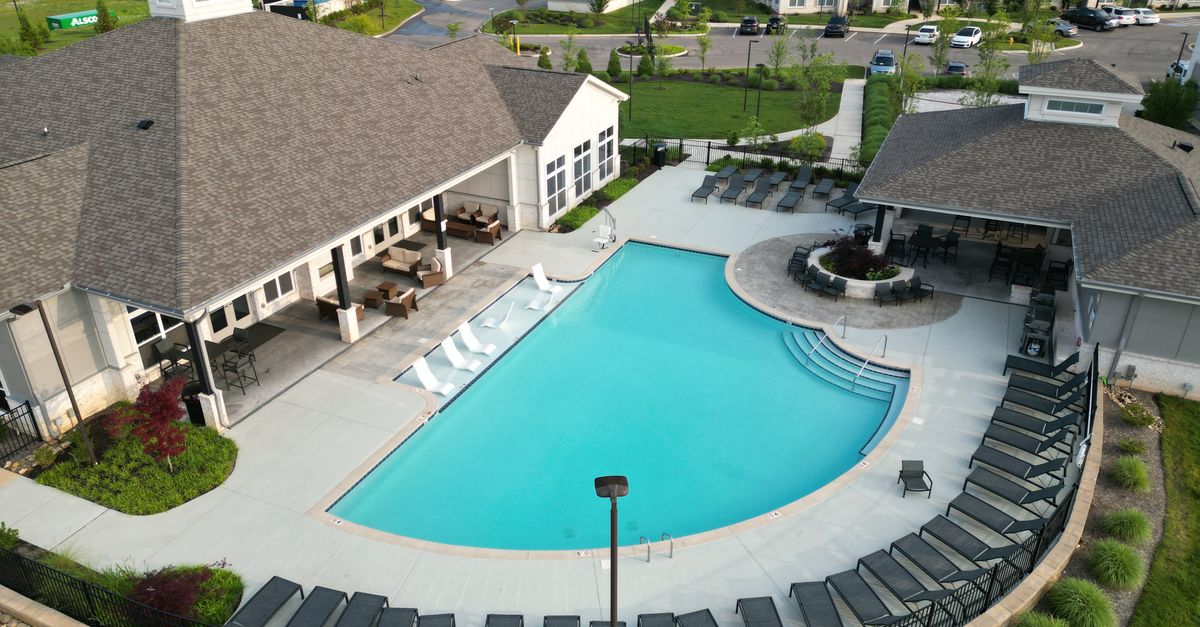
CDD fees pay for the roads, utilities, drainage, and amenities inside a master-planned community, and they arrive in two parts: a bond assessment that repays the cost of building that infrastructure (fixed, and it eventually ends) and an operations assessment that maintains it (ongoing, and it does not). The pro is a lower purchase price and newer, well-kept amenities than a comparable non-district neighborhood. The con is a second annual bill, on top of property taxes and any HOA dues, that can run from a few hundred to a few thousand dollars and is hard to escape once you own the home.
Most of the trouble comes from timing. A buyer falls for a new-construction home on the mainland side of Nassau County, pencils out the mortgage and the HOA, and then the tax estimate lands a couple hundred dollars a month heavier than the older house they passed on closer to Centre Street. That gap is almost always a CDD, and almost nobody budgets for it the first time.
What is a CDD fee, and why is it on your property tax bill?
A CDD, or Community Development District, is a special-purpose local government Florida authorized under Chapter 190 of its statutes in 1980. It lets a developer build roads, water and sewer lines, stormwater drainage, and amenities with tax-exempt municipal bonds instead of folding every dollar of that cost into your lot price. You repay it as a non-ad valorem assessment on your annual county tax bill, listed below your regular property taxes rather than buried inside them.
The assessment has two pieces, and the difference matters. The bond, or debt, portion repays those construction bonds; it's a fixed amount that amortizes over roughly 20 to 30 years and then falls off your bill for good. The operations and maintenance portion keeps the pools, gates, ponds, and common landscaping running; the district's board sets it every year, and it continues for as long as the district does. On the mainland side of the county, that bill comes from the Nassau County Tax Collector in November, and the CDD line is easy to skim right past if you don't know to look for it.
What are the upsides of buying in a CDD?
The main advantage is that a CDD spreads infrastructure cost over decades instead of baking it into the sticker price, so the same house often costs less up front than a comparable home in an established, non-district neighborhood. You're trading a higher purchase price for an annual assessment. Alongside that, you get newer roads and utilities and maintained amenities, governed by a board whose meetings and budgets are public.
A few things work in your favor here. Newer infrastructure means fewer near-term repair surprises, the kind that hit older Fernandina streets that have been patched since the Carter administration. The debt portion is finite, so it isn't a forever cost. And because the district is a unit of local government, its budget, its board, and its meeting minutes are open record, which is more transparency than most HOAs offer.
What are the downsides of CDD fees?
The biggest drawback is that you can't opt out. A CDD assessment is collected like a tax, so skip it and it becomes a lien on your home, the same as unpaid property taxes. The operations portion never ends and can rise each year, you pay for the amenities whether or not you use them, and the line follows the property into resale.
There's also a cost most buyers don't run. Because the bond portion is financed, you pay interest across its life, so the total you hand over for that infrastructure is more than what it cost to pour in cash. And when you go to resell, a buyer comparing your home to a non-CDD listing will price that line in, which can narrow your pool.
Here's the trade-off side by side:
| Pros | Cons |
|---|---|
| Lower purchase price than a comparable non-CDD home | A second annual bill you can't opt out of |
| Newer roads, utilities, and drainage | Unpaid assessments become a lien, like back taxes |
| Maintained, resort-style amenities | Operations portion never ends and can rise yearly |
| Public board, budget, and meetings | You pay whether or not you use the amenities |
| The bond portion eventually retires | Financed debt means you pay interest on top |
When we walk Salt Harbor buyers through a new-construction offer out in Yulee, pulling the exact CDD number is the first thing we do, because it's public record and it changes the monthly math more than the interest rate usually does.
How much are CDD fees, and how long do you pay them?
CDD assessments in Florida commonly run from a few hundred dollars to more than $3,000 a year, driven by how amenity-heavy the community is and how much debt it issued to build itself. The bond portion lasts the life of the bonds, usually 20 to 30 years, then drops off. The operations portion continues for as long as the district exists, which in practice means indefinitely.
Because the figure is public, you never have to guess. Ask for the specific home's annual assessment and how many years remain on the bond before you write an offer, not after. A district that's three years into a 30-year bond is a very different commitment from one that's two years from retiring its debt.
If your aim is to shrink or shed that line entirely, by paying off the bond, buying where it's already been retired, or staying outside a district altogether, that's its own decision with its own math. I've covered it separately in how to get out of CDD fees, so I won't rehash it here.
So weighing the pros and cons of CDD fees comes down to three numbers: the size of the assessment, the years left on the bond, and how much you'll actually use what it pays for. Get those before you fall for the kitchen.
Frequently asked questions
How long do you have to pay CDD fees in Florida?
The bond, or debt, portion runs for the life of the bonds, usually 20 to 30 years, then drops off your tax bill. The operations and maintenance portion continues for as long as the district exists, which in practice is indefinitely.
Is CDD good or bad?
Neither on its own. A CDD is a financing trade: a lower upfront price and maintained amenities in exchange for an annual assessment you can't opt out of. Whether it's worth it depends on the size of the fee, how many years are left on the bond, and whether you'll use the amenities.
What is the average CDD fee in Florida?
There's no single average. Assessments commonly range from a few hundred dollars to more than $3,000 a year depending on the community's debt and amenities. Always get the exact figure for the specific home, since the amount is public record.
Are CDD fees tax deductible on IRS?
Generally, no. The IRS treats CDD assessments as non-deductible because they fund local improvements and services rather than being ad valorem property taxes. Confirm your specific situation with a tax professional.