Understanding Real Estate in Florida
the ins and outs of the legal and practical side of owning real estate in Florida. Things like insurance, floods, weather, zoning, and how things work
What Are the New Rules for Real Estate Commissions?
Since August 17, 2024, buyer-agent pay is off the MLS and buyers must sign a written agreement before touring. What the new commission rules mean in Florida.

Florida Property Tax Payment: How and When to Pay (and How to Pay Less)
How and when to pay Florida property taxes: due by March 31, pay your county tax collector, and save up to 4% by paying in November, plus the exemptions that cut the bill.
Can You Use a 1031 Exchange on a Primary Residence?
You can't 1031 your primary residence; the Section 121 exclusion ($250K/$500K) is its tax break. How the two rules differ, and where a rental can become home.
The 1031 Exchange Five-Year Rule, Explained Before You Move Into the Rental
The 1031 exchange five-year rule (Section 121(d)(10)): you must own a 1031-acquired property five years before any home-sale exclusion, on top of the two-of-five test.

1031 Exchange Rules: The Six Requirements That Decide if Your Swap Qualifies
The six rules a 1031 exchange must meet to defer capital gains tax: like-kind, qualified use, same taxpayer, the 45/180-day clocks, and a qualified intermediary.
Your 1031 Exchange Qualified Intermediary: What They Do and How to Choose One
A qualified intermediary holds your 1031 proceeds so you never take receipt and the exchange stays valid. What a QI does, who's disqualified, and how to vet one.

Reverse 1031 Exchange: How to Buy Before You Sell and Still Defer the Tax
A reverse 1031 exchange lets you buy your replacement property before selling the old one. How the accommodator structure works, what it costs, and when it pays off.

What a Written Listing Agreement Must Not Have
What a written listing agreement must not have: no automatic renewal, no blank spaces, no open-ended term, plus the Florida expiration-date rule sellers should know.
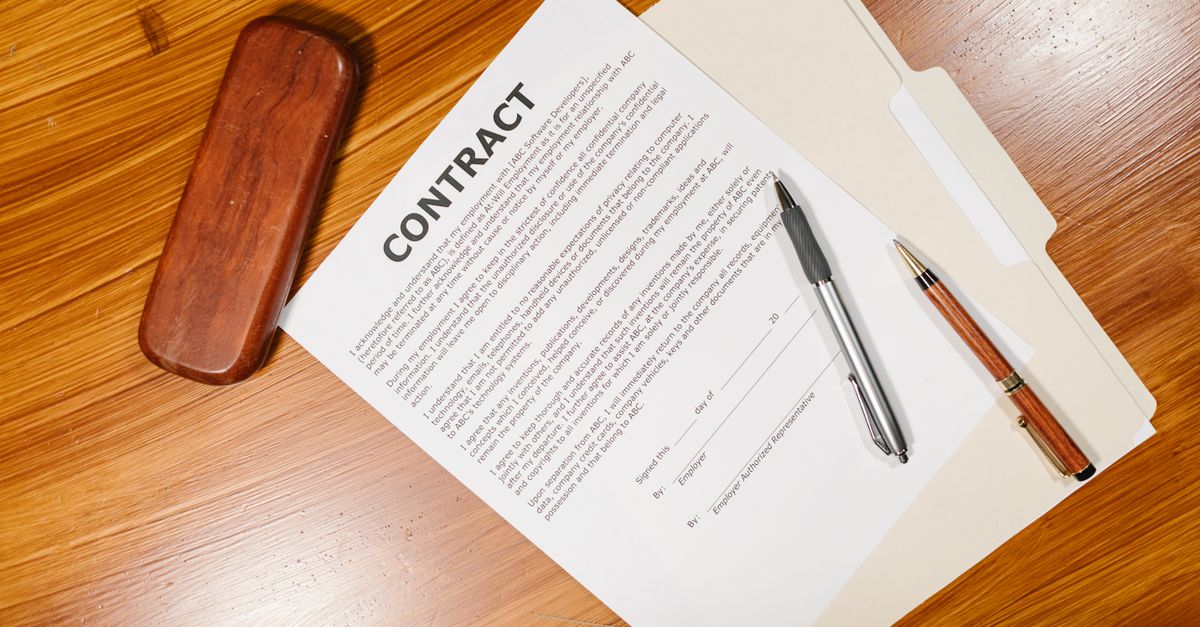
Pros and Cons of CDD Fees: What You Actually Get for the Money
CDD fees fund a community's roads, utilities, and amenities through two assessments on your tax bill. Here's the real trade-off, what they cost, and how long you pay.

Seller's Disclosure in Florida: What You Have to Tell a Buyer
What a Florida seller must disclose: known material defects a buyer can't see, plus radon, coastal, mold and flooding notices, and how buyers get the form.
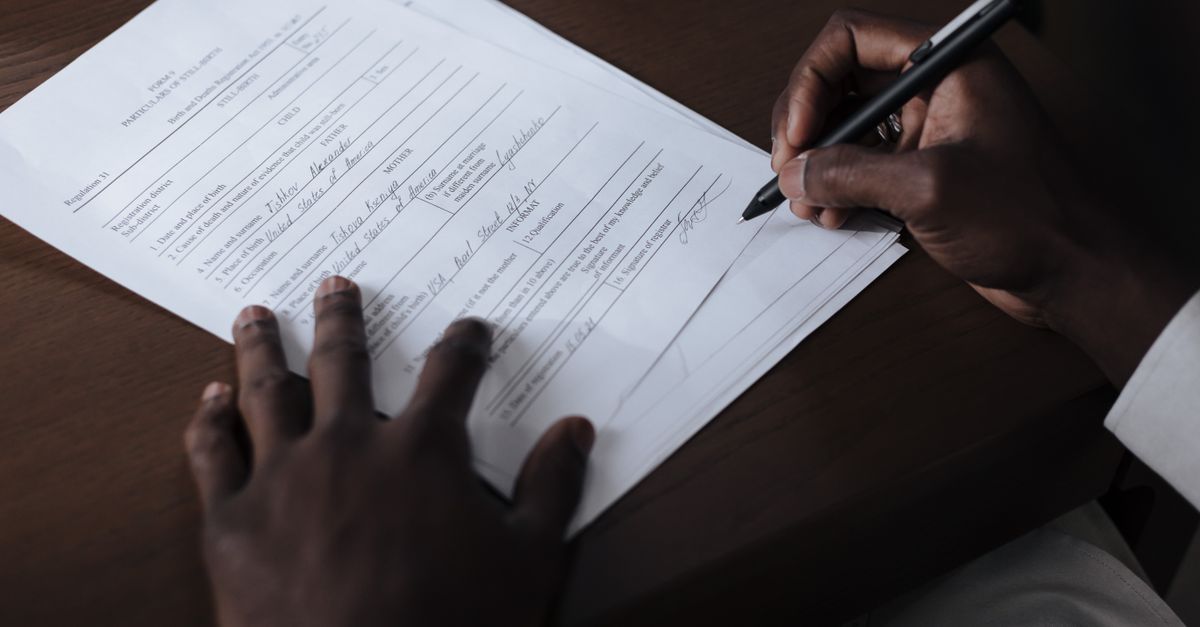
Flood Zone X: What It Means and Whether You Still Need Insurance
Flood Zone X is FEMA's lowest-risk flood designation, the land outside the 100-year floodplain, so flood insurance is optional, though coastal homes still flood.
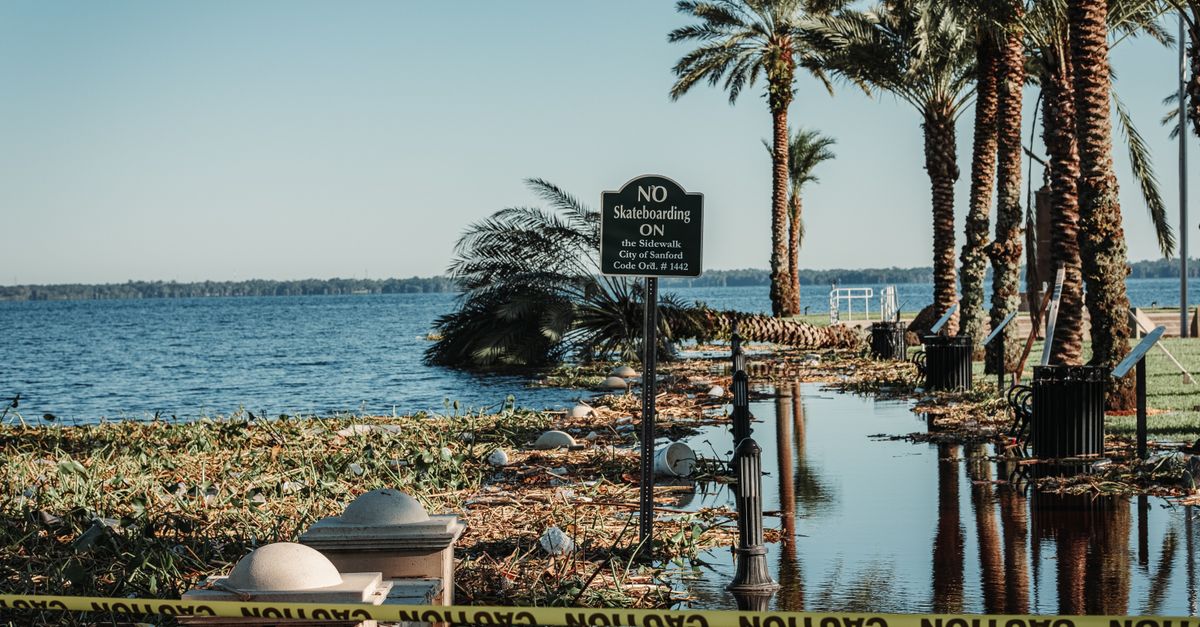
What a Wind Mitigation Report Is, and Where to Find Your Copy
A wind mitigation report documents a Florida home's wind-resistant features on form OIR-B1-1802. What it shows, where to find your copy, and how long it stays valid.
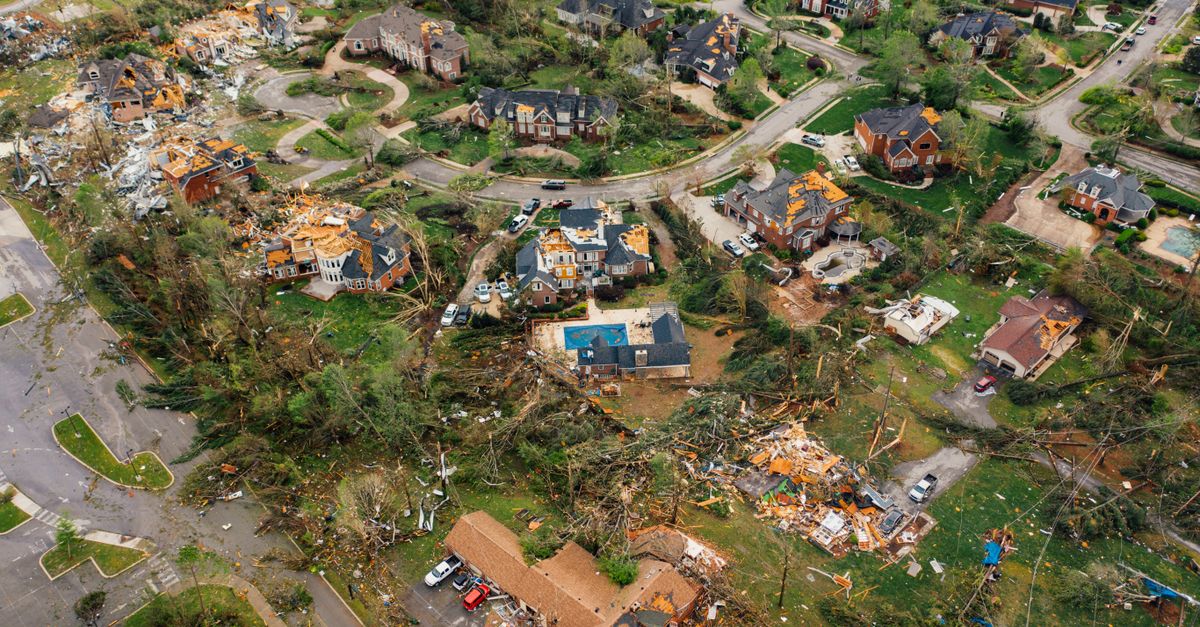
How Much Does a Wind Mitigation Inspection Cost in Florida?
A wind mitigation inspection in Florida costs about $75 to $150, usually near $100. What it checks, what moves the price, and how to get one for free.
The 1031 Exchange Timeline: How the 45-day and 180-day Clocks Really Work
A 1031 exchange gives you 45 calendar days to identify a replacement property and 180 days to close, both starting the day you sell. How the clocks really work.
What Does a 1031 Exchange Cost?
A standard forward 1031 exchange runs about $600 to $1,200 in qualified intermediary fees per property; reverse and construction exchanges cost $3,000 to $7,500 or more.
Who Pays Realtor Fees, the Buyer or the Seller?
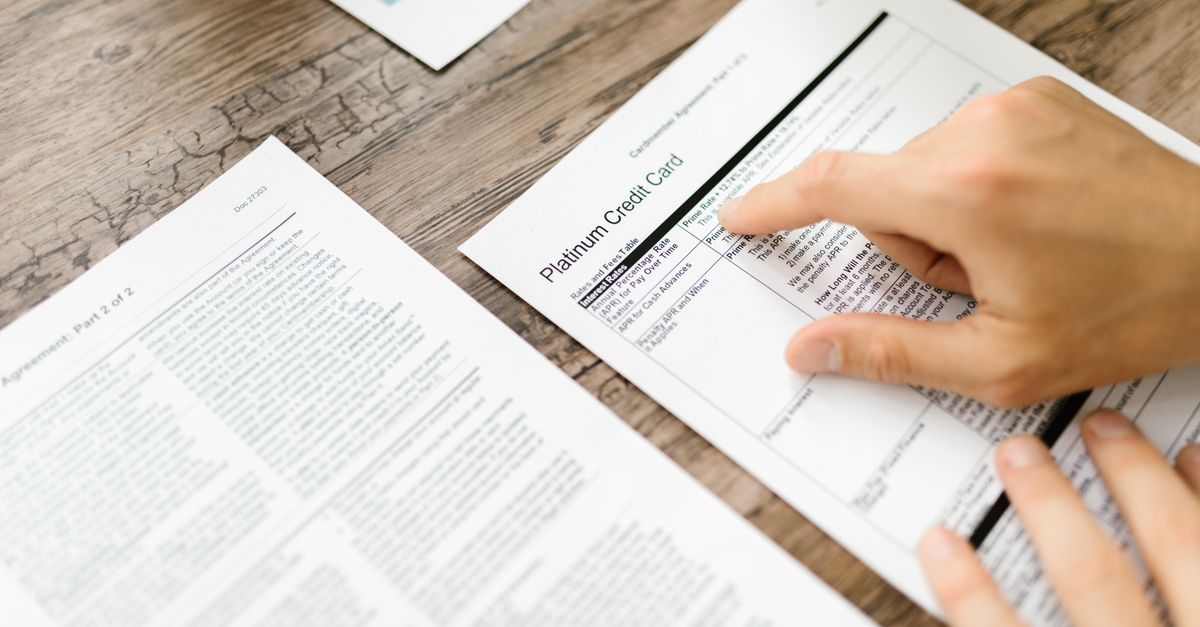
In a typical home sale the seller pays the realtor commission at closing, covering both agents. How that works, what it costs, and who pays the buyer's agent now.

Florida's Homestead Tax Exemption: What It Takes Off Your Bill and How to Claim It
Florida's homestead exemption cuts up to $50,000 off your primary home's taxable value and caps assessed growth at 3%/year. Who qualifies, what it saves, how to file.
What Is the Average Cost for Homeowners Insurance in Florida?
Florida homeowners insurance averages about $3,000 to $6,000 a year, higher on the coast. What drives the cost, the 80% rule, and a $500K quote.
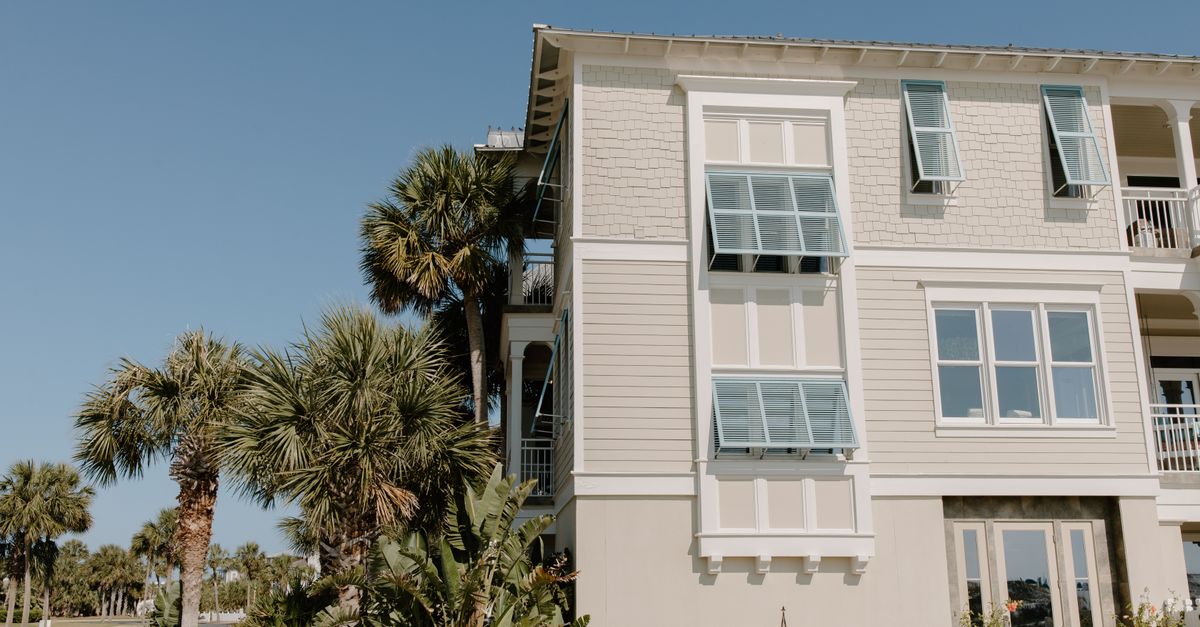
What a 4-point Inspection Checks, and What Fails One, in Florida
A 4-point inspection checks a Florida home's roof, electrical, plumbing, and HVAC so an older house can be insured. What it covers, costs, and what fails one.
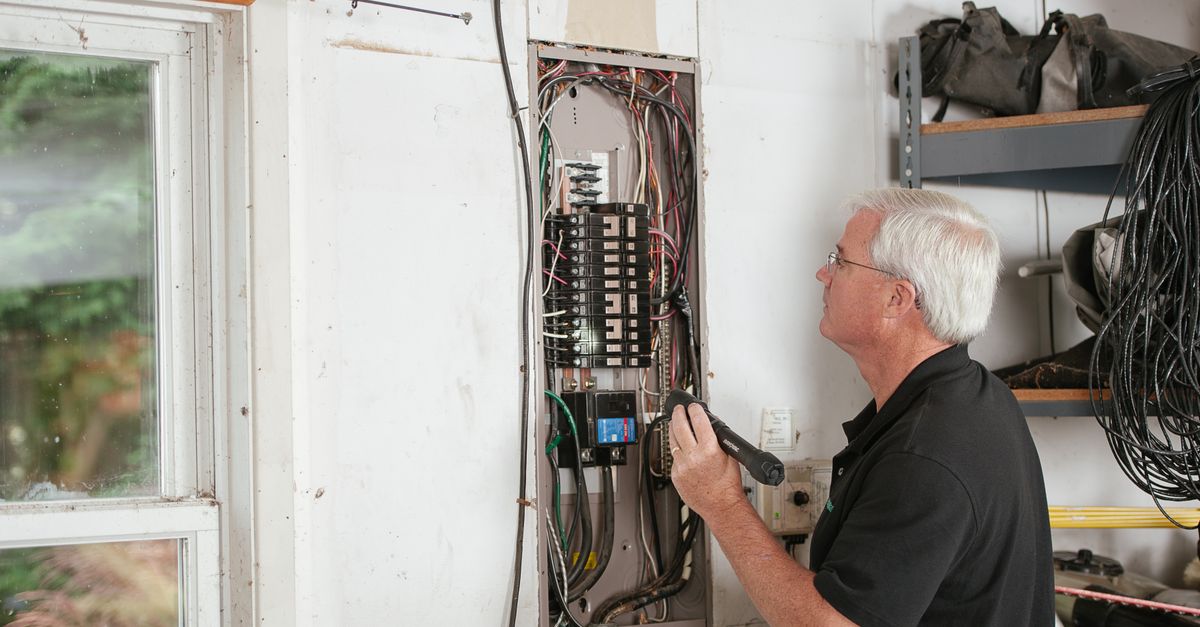
What a Florida As-Is Contract Actually Promises You (and What It Doesn't)
What a Florida as-is real estate contract promises: the seller fixes nothing, the buyer inspects and can cancel for a full deposit refund. Read the deadlines.
What Florida Homeowners Insurance Costs, and Why Your Neighbor Pays Something Else
What Florida homeowners insurance costs in 2026, the figure behind your quote, and why two houses on the same street pay very different premiums.
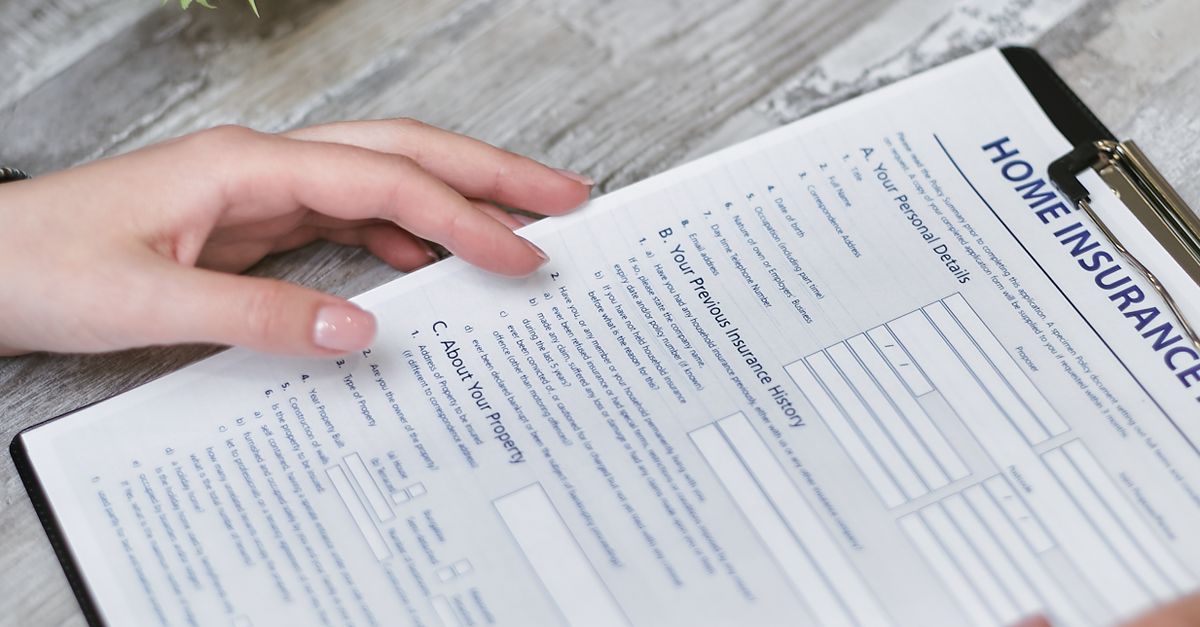
Your House Closing Checklist: What to Confirm Before the Table Is Set
A house closing checklist for Florida buyers and sellers: what to confirm, bring, and verify before the table is set so the deed records and the keys change hands.