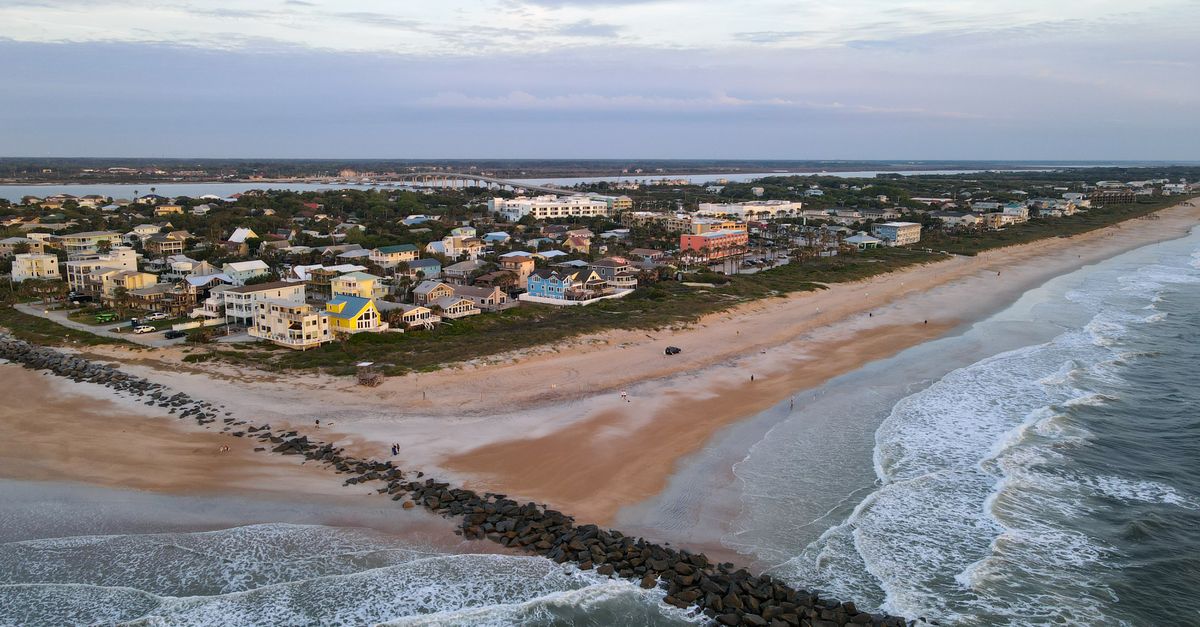
For most people, yes. Amelia Island is a good place to live: 13 miles of Atlantic surf and wide beaches wrapped around a working historic town, no state income tax, a slower pace than most of coastal Florida, and Jacksonville's airport about 40 minutes away. The catch is what it costs you. Island homes run higher than the mainland, summers are hot and humid, hurricane season stretches from June into November, and the bridges fill with day-trippers from spring through fall.
What sells it for most of us is quieter than the beach. This is a real town, with a courthouse, a working shrimp fleet, and a downtown that stood here long before tourism did, not a theme-park copy of one. On the first weekend of May the whole island turns out for the Isle of Eight Flags Shrimp Festival, named for the eight different flags that have flown over this ground, and the line for a shrimp basket on Centre Street runs longer than any line all year.
What's it like to live here day to day?
Day to day, life leans low-key and outdoor. The north end gives you walkable historic Fernandina Beach, with Victorian storefronts and the shrimp docks down the hill; the south end has golf and tennis at the resorts; the beach runs the whole length in between. Most errands stay on-island. Specialized medical care, big-box stores, and the airport are a short drive across the Intracoastal toward Yulee and Jacksonville.
The rhythm here follows the tide and the season more than the clock. After a hard north wind in winter, the sand fills with whole sand dollars and the occasional shark tooth, and you'll find retirees and ten-year-olds bent over the same slow search. The downtown marina sits at the end of Centre Street, so for a lot of people on the island, getting on the water is a ten-minute errand. If you're weighing the city of Fernandina Beach specifically, with its in-town price bands and city services, that's its own decision, and I cover it in a separate post on living in the city.
How much does it cost to live on the island?
Expect to pay more to live on the island than across the water. Island homes, especially anything near the beach or the marsh, command a premium over comparable houses in mainland Yulee, and Florida's lack of a state income tax only softens part of that. You'll find mid-island ranch homes at the entry end and oceanfront or marsh-front estates at the top, with a wide middle between them. The costs that actually bite are insurance and elevation: wind coverage plus flood coverage, which many properties here require.
Two houses a block apart can carry very different premiums depending on flood zone and elevation. At Salt Harbor Real Estate we run that insurance and flood math on a specific address before a client falls for the porch, because it can move the true monthly cost by hundreds of dollars.
What about hurricanes and storm season?
Amelia Island sits in a hurricane-exposure zone, and the season runs June 1 to November 30. The island came through Hurricane Matthew in 2016 and Irma in 2017 with beach erosion and downed live oaks rather than wholesale destruction. Living here means keeping a storm plan and flood coverage if you sit low, on top of the wind-rated roof most insurers now want. Summers are hot and humid with afternoon thunderstorms; winters are mild and short.
Most people decide the mild winters and the beach are worth the trade of a few tense weeks each fall. For the full safety picture, the crime numbers, rip currents, flood exposure by area, and evacuation routes, I keep that in a separate post so I can do it justice.
Pros and cons of living on Amelia Island
The short version: you trade some cost and convenience for beach access, a historic small town, and tax-friendly Florida residency. Here's how the upsides and the few frustrations line up.
| Pros | Cons |
|---|---|
| 13 miles of public Atlantic beach | Island prices sit above mainland Yulee |
| Walkable historic downtown and working shrimp docks | Wind and flood insurance can run steep |
| No Florida state income tax | Hot, humid summers and an active storm season |
| JAX airport about 40 minutes; under an hour to downtown Jacksonville | Tourist season clogs the bridges and the beach |
| Quiet, outdoor-leaning pace | Major medical care and big shopping are off-island |
| Steady second-home and rental demand | Small-town quiet and limited nightlife aren't for everyone |
Who thrives here, and who doesn't?
People who do well here want beach access and an unhurried, outdoor routine: folks who work remotely, split time between two homes, boat the Intracoastal, or play the island's golf courses. Boaters in particular have the marsh creeks at the back door and Cumberland Sound to the north, where the ferry crowd goes to see the wild horses on Georgia's Cumberland Island. The no-income-tax math and the airport an easy drive away seal it for plenty of newcomers from colder, higher-tax states. The island is served by Nassau County public schools and has miles of open beach, so there's room for a household to settle in.
People who want big-city nightlife, large-scale shopping, or a short commute to a downtown office tend to be happier on the mainland or in Jacksonville proper. The quiet that draws one buyer is the same quiet that sends another back over the bridge. Spend an ordinary Tuesday here, the kind with no festival and no beach crowd, and you'll know fast which one you are.
Frequently asked questions
Which is better to live on, Amelia Island or Sanibel Island?
It depends on which coast you want. Amelia Island sits on the northeast Atlantic side with a historic town, cooler winters, and Jacksonville's airport about 40 minutes away, while Sanibel is a quieter Gulf-side shelling island in Southwest Florida with warmer winters but a longer haul to a major airport and a higher exposure to direct hurricane landfalls. For year-round town life and travel access, Amelia tends to win; for warm Gulf water and seclusion, Sanibel does.
How does the cost of living on Amelia Island compare to mainland Nassau County?
Living on the island generally costs more than living on the mainland in places like Yulee. Island homes, especially near the beach or marsh, command a premium, and barrier-island wind and flood insurance add to the monthly carry, though Florida's lack of a state income tax offsets part of the gap. Buyers on a tighter budget often find more house for the money a few minutes across the Intracoastal.
How far is Amelia Island from Jacksonville and the airport?
Jacksonville International Airport (JAX) is about a 40-minute drive from the island, and downtown Jacksonville is under an hour to the south. That proximity to a major airport and a metro area is one of the practical advantages the island holds over more remote Florida coastal towns.
Do you need flood insurance on Amelia Island, and does it vary by location?
Many island properties sit in FEMA-designated flood zones and require flood insurance, especially oceanfront, low-lying, and marsh-front lots, while higher-elevation interior lots sometimes do not. Premiums can differ sharply between two homes only a block apart, so it pays to check the flood zone and elevation of a specific address before you buy.